
Loading...
Serving Cocoa, FL and surrounding areas. (321) 386-0373
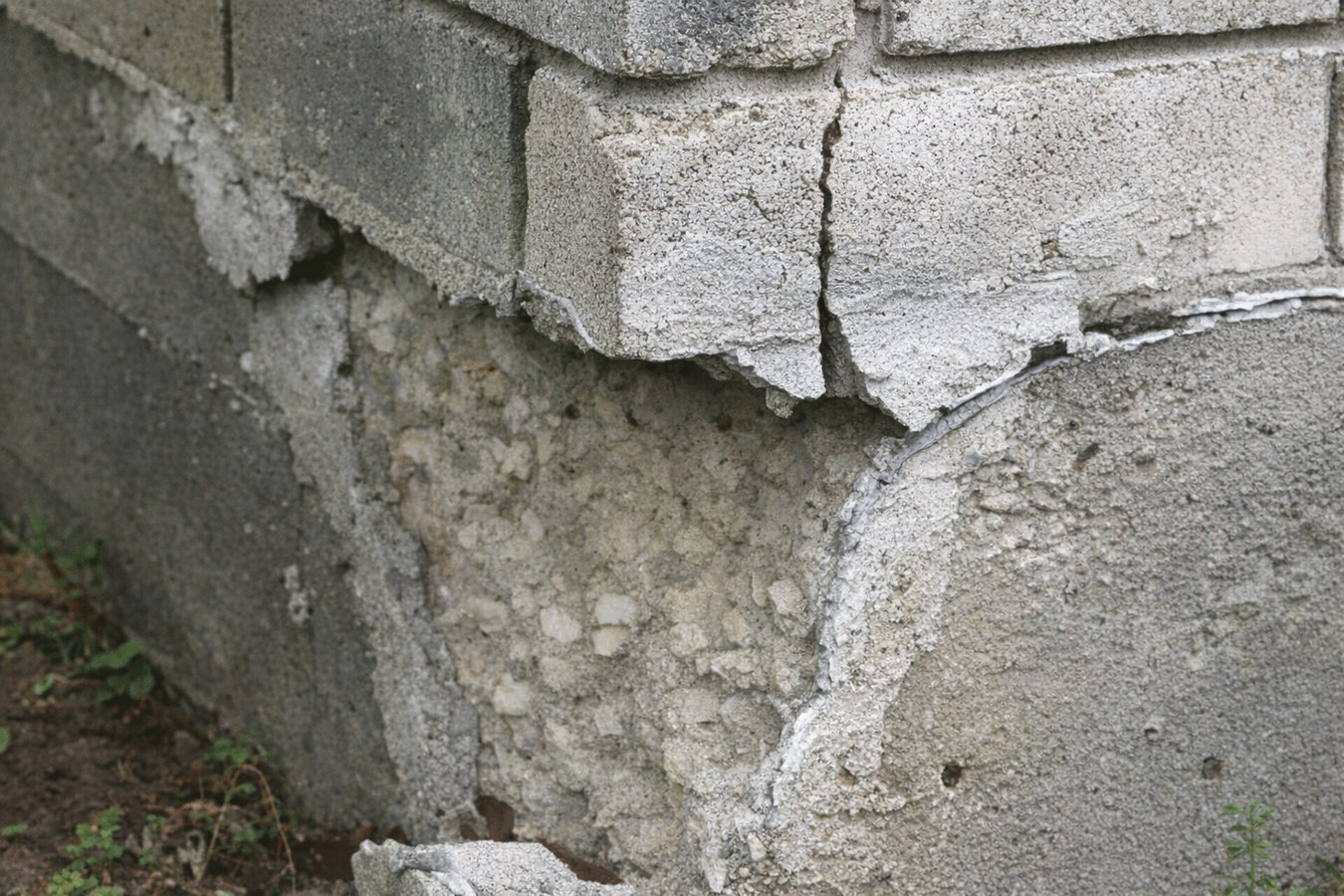
Your slab is sinking and you need it level again - without tearing up your yard or waiting weeks for a full replacement.
Your slab is sinking and you need it level again - without tearing up your yard or waiting weeks for a full replacement.
Foundation raising in Cocoa lifts a sunken or uneven concrete slab back to its original level position by pumping material through small drilled holes into the void beneath it - most residential jobs are completed in a single day, often in just a few hours.
If you're dealing with a settled slab in Cocoa, you're not alone. The sandy soil here washes out under concrete after heavy rain, creating voids that let slabs drop. Catching this early means the difference between a quick lift and a full replacement. In many cases, foundation raising is the right first call before considering slab foundation building.
Two methods are commonly used: mudjacking, which pumps a cement-and-soil slurry beneath the slab, and polyurethane foam lifting, which uses a lightweight expanding foam. Both fill the void and push the concrete back up. The right choice depends on your slab's condition, the size of the voids, and your budget - and a good contractor will walk you through both before any work starts.
When a slab shifts, door frames and window frames move with it - and doors that used to swing freely start catching on the frame or won't latch. This is one of the earliest signs homeowners notice, and it often shows up after a wet season in Cocoa when the soil beneath the slab has moved. If two or more doors in the same area start sticking around the same time, that's worth a call.
Walk the interior of your home and look at the base of your walls. If you see a gap opening between the floor and the wall trim - especially in one corner or along one side of the house - the slab in that area may be settling. In older Cocoa homes built on thinner slabs, this kind of movement can develop gradually over years.
Small hairline cracks in concrete are normal, but cracks that are widening, have one side higher than the other, or are growing longer suggest the slab is moving. In Cocoa's sandy soil, water from summer storms can wash out material under a slab quickly, and what starts as a small crack can become a tripping hazard within a season.
If a marble rolls consistently toward one corner, your slab may have settled unevenly. You might also feel a slight slope when walking through a room, or notice that furniture rocks on what should be a flat surface. This is especially common in Cocoa homes near low-lying areas where the water table is close to the surface.
We handle foundation raising for driveways, patios, garage floors, walkways, and the perimeter slabs of homes throughout Brevard County. Whether you need a small section lifted near a garage door or a full-perimeter assessment on an older Cocoa home, we size the job to what the slab actually needs. If you've already had your slab assessed and concrete cutting is part of the plan, we can coordinate that work too - check out our concrete cutting service for more on that process.
Once a slab is raised, we assess whether drainage improvements are needed to prevent the problem from recurring. In Cocoa's wet climate, addressing the cause - not just the symptom - is what makes a repair last. For homeowners dealing with deeper structural needs, we also offer slab foundation building when a full replacement is the right answer.
Suits homeowners looking for a cost-effective lift on larger areas like driveways or walkways.
Best for homeowners who want a fast cure time and a water-resistant fill in Cocoa's wet environment.
Suits older Cocoa homes where multiple sections of the foundation slab have settled unevenly over time.
Recommended before any lift to identify what caused the settlement and reduce the chance of it recurring.
Cocoa sits on the Atlantic Coastal Ridge, where the soil is largely sandy and poorly compacted in many residential areas. Sandy soil drains quickly but also washes away under a slab when water moves through it - creating the voids that cause slabs to sink. Brevard County receives roughly 50 inches of rain per year, much of it concentrated in the June through September storm season. Homeowners here often notice slab settling or cracking in the months following a wet summer, which makes this one of the most common concrete problems we see. A significant portion of Cocoa's housing stock was built between the 1950s and 1980s on thinner slabs with less reinforcement than modern standards, meaning older homes are more likely to need this work. We regularly serve homeowners throughout Rockledge and Merritt Island dealing with the same conditions.
Hurricane and tropical storm activity adds another layer. Major storm events can saturate soil rapidly and cause sudden, significant settlement. After storms that have affected Brevard County, demand for foundation raising spikes. If your home experienced flooding or storm surge, it's worth having your slab inspected even if you don't see obvious cracking yet. The American Concrete Institute has published guidance on concrete repair and assessment best practices that informs how reputable contractors approach this work. For permit questions specific to Cocoa, the Florida Department of Business and Professional Regulation is a good starting point for understanding what licensed contractors are required to carry and do.
When you call, we'll ask where the problem is, how long you've noticed it, and whether there's any visible cracking. We reply within 1 business day and schedule an in-person visit - you don't need to prepare anything, just be home.
We walk the affected area, check for signs of what caused the settlement - drainage problems, eroded soil, or root intrusion - and ask about your home's age. In Cocoa, soil and storm history both matter to getting the fix right.
You get a written estimate explaining what we'll do and what it costs. We'll also tell you upfront if a permit is required for your job. No work starts until you're ready and comfortable moving forward.
The crew drills small holes, injects lifting material, and monitors the slab as it rises back to level - usually a few hours for a typical residential area. Holes are patched with concrete, and we clean up before we leave.
No commitment to call. We'll assess the slab, explain the options, and give you a written estimate before any work starts.
(321) 386-0373Cocoa sits on sandy Atlantic Coastal Ridge soil that washes out under slabs after heavy rain. We assess the cause of settlement first - not just fill the void - so the same problem doesn't come back after the next storm season.
We hold a current Florida contractor's license, verifiable through the Florida Department of Business and Professional Regulation. That license means we've met state standards for training, insurance, and accountability - not just the minimum to pick up a phone.
Some foundation raising jobs in Cocoa require a permit through the City of Cocoa Building Division. We handle pulling it on your behalf so the work is inspected, documented, and on record - which matters when you sell your home.
If a slab is too far gone to raise safely, we'll tell you that rather than attempt a fix that won't hold. You get a straight answer about whether raising or replacing makes more sense for your specific slab and soil conditions.
Every job starts with an honest assessment and ends with documentation you can rely on. When you call Supreme Cocoa Concrete, you get a contractor who knows Cocoa's soil, handles the permit process, and gives you a straight answer about what your slab actually needs.
Precision cuts for drains, openings, and damaged slab sections that need removal before repair or replacement.
Learn MoreFull slab pours for new construction or total slab replacements when raising is no longer the right option.
Learn MoreCocoa's summer rains are hard on settling slabs - getting this done now means one less worry when the weather turns. Call or submit a form today.