
Loading...
Serving Cocoa, FL and surrounding areas. (321) 386-0373
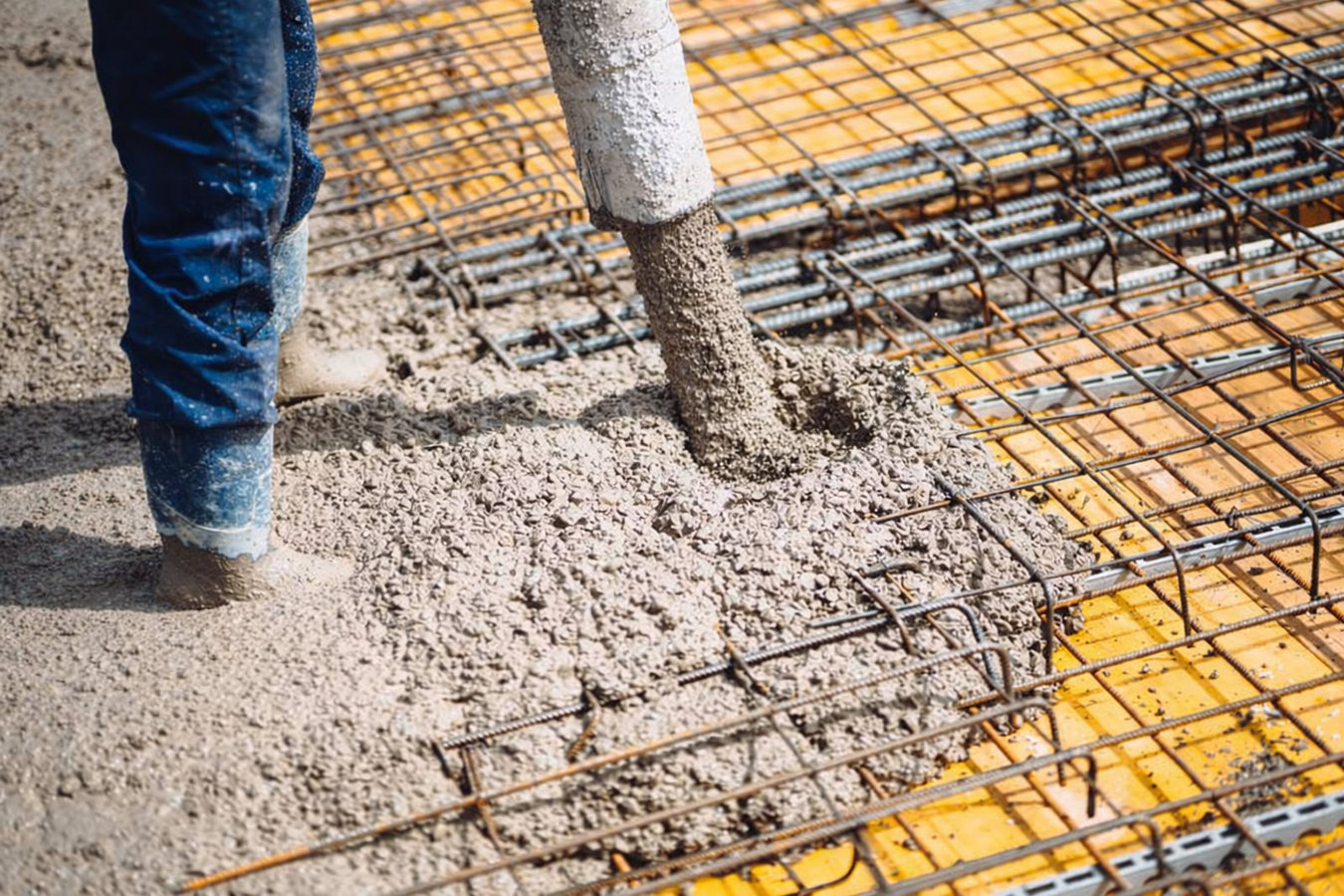
Your entire structure depends on what goes in the ground first. Get soil prep, vapor barriers, permits, and inspections handled by people who know Brevard County.
Foundation installation in Cocoa covers the complete process of building a concrete slab foundation - site assessment, soil grading and compaction, vapor barrier placement, steel reinforcement, the concrete pour, and permit-required inspections - with most standard residential projects taking three to seven days of active work before the curing period begins.
Most homes in Cocoa are built on a concrete slab poured directly on the ground, because the area's high water table and flat terrain make other foundation types impractical. Whether you are starting new construction, replacing a failing foundation on an older Cocoa home, or converting an outdoor space into conditioned living area, foundation installation is the step that determines whether everything built on top of it holds up over time. A foundation that shifts, cracks, or allows moisture through will create problems throughout the structure for decades.
For many homeowners, the foundation scope overlaps with other concrete work on the property. If your project also involves a parking area or approach slab, we can coordinate that with our concrete parking lot building work so both are permitted and inspected together rather than as separate projects.
Cracks running diagonally from the corners of door frames or windows, or long cracks across your concrete floor, suggest your foundation may be shifting or settling unevenly. In Cocoa's sandy soil, this kind of movement is more common than in areas with denser ground, especially after heavy rain seasons that saturate the soil. A crack you can slip a quarter into is worth having a professional assess right away.
When a foundation shifts even slightly, the door frames and window frames above it shift too - and suddenly doors that used to swing freely start sticking, or gaps appear at the top corners of windows. This is one of the earliest and most reliable signs that something is changing at the foundation level. If you notice this in multiple rooms at once, it is time to call a contractor rather than just adjusting the hinges.
If water consistently pools against the base of your home after rain rather than draining away, it is putting constant pressure on your foundation and increasing the risk of moisture damage and soil erosion underneath the slab. Cocoa receives intense summer storms that can drop several inches in a single afternoon. This is a sign that either the grading around your home needs correction or the foundation itself needs attention.
If you walk across a room and notice the floor dips in one spot, feels soft underfoot, or has developed a noticeable slope, the slab beneath it may have settled unevenly. In older Cocoa homes - particularly those built before the 1980s - thinner slabs are more vulnerable to this kind of movement over time. An uneven floor is not just a cosmetic issue; it can indicate that the foundation is no longer providing uniform support to the structure above it.
We handle the full scope of foundation installation from the first site visit through the final inspection sign-off. That includes checking your property's flood zone status, preparing the soil to the standards Brevard County's sandy terrain requires, setting the concrete forms, placing the vapor barrier and steel reinforcement, managing the pour, and scheduling every required inspection. For homeowners building on a new lot, this is the complete foundation package for new construction. For homeowners on older properties, we assess what is there before quoting, because homes built in Cocoa's 1950s through 1970s building boom sometimes have thinner or under-reinforced slabs that change the scope of the work. We also handle full slab foundation building for room additions, garage conversions, and accessory structures where a code-compliant slab is the starting point.
Every project is permitted through Brevard County Building Services before work begins. We submit the application, coordinate the plan review, schedule the on-site inspection before the pour, and get the permit closed out at the end. You do not have to deal with the county's building department at any point. If your foundation project also requires concrete parking lot building or an approach slab, we can scope both together so the permitting and scheduling line up correctly and the work flows without gaps.
Suits homeowners starting a new build on a vacant or cleared lot that requires a full residential slab foundation from the ground up.
Suits owners of older Cocoa homes where the original slab is failing, cracked, or no longer adequate for the structure above it.
Suits homeowners expanding their home's footprint and needing a new foundation section tied into the existing slab at matching thickness and depth.
Suits properties in FEMA flood zones that require the finished floor to be elevated to a specific height above base flood elevation.
Cocoa's combination of sandy coastal soil, a water table that sits close to the surface, and FEMA flood zone designations along the Indian River makes foundation work here more involved than a simple pour. The soil conditions alone - loose, sandy, and prone to shifting after heavy rain - mean that the ground preparation phase is not a formality. It takes real equipment, real time, and proper compaction in layers to create a stable base. Contractors who have not worked extensively in Brevard County sometimes underestimate this phase, and the results show up as cracks within a few years. Cocoa's Space Coast housing stock - much of it built in the 1960s and 1970s during the area's growth period - also means that many replacement and repair projects involve older slabs poured to lower standards, which requires an honest assessment before any pricing is finalized.
The flood zone question is equally important for properties near the Indian River Lagoon. If your lot carries a FEMA designation, the finished floor of your foundation may need to be elevated to a specific height to meet code and maintain flood insurance eligibility. This is not a detail that surfaces after the pour - it needs to be confirmed before the design is finalized. We serve homeowners throughout Brevard County, including in Palm Bay, FL and Titusville, FL, where the same coastal soil and flood zone conditions apply.
For code standards governing foundation construction in Florida, see the Florida Building Commission. For permit and inspection requirements in Brevard County, visit Brevard County Building Services. To confirm your flood zone designation, use the FEMA Flood Map Service Center.
Before any work is priced or scheduled, we visit your property to assess the lot, grade, soil conditions, and access. In Cocoa, this step matters more than most because sandy soil may require extra preparation that directly affects the final cost. We also confirm your flood zone status at this visit.
Once you agree on a scope and price, we submit the permit application to Brevard County Building Services and handle all paperwork. You do not need to contact the county. Processing typically takes a few business days to a couple of weeks depending on the current queue.
The crew clears the area, grades and compacts the soil, sets the concrete forms, lays the vapor barrier, and places the steel reinforcing bars. A county inspector visits before the pour to confirm everything is in place - this is the inspection that protects you most, since it catches problems before they are buried.
Concrete trucks arrive and the crew pours, spreads, and finishes the surface. The slab is off-limits for at least 24 to 48 hours. Most contractors allow framing to begin within a week, though full curing strength takes about 28 days. A final county inspection closes out the permit and clears the project for the next phase.
We check your flood zone status, pull the permits, and walk you through every step before a single shovel hits the ground.
(321) 386-0373We check your property's FEMA flood zone classification before we finalize any foundation design. If your lot requires an elevated finished floor height, we account for it in the design and cost estimate - not after the pour, when changes become expensive and disruptive.
We submit the permit application to Brevard County Building Services, coordinate the plan review, and schedule every required inspection. You will not need to make a single call to the county building department. The permit is closed out with a passing inspection before we leave your property.
Cocoa has a large share of homes built in the 1950s through 1970s, when foundation standards were different. We assess what is actually there before giving you a final price - because discovering a thinner or under-reinforced original slab mid-project is how contractors hand homeowners unexpected bills. We would rather tell you upfront.
Brevard County's sandy coastal soil does not compact the same way soil does in other parts of the country. The preparation phase - grading, compaction, and sometimes fill material - takes real time on our projects. This is the step most often shortcut by less careful contractors, and it is the most common reason Florida slabs crack prematurely.
Foundation work in Cocoa is more demanding than it looks on paper - the soil, the water table, the flood zones, and Brevard County's permit requirements all add real complexity. We have built our process around those conditions, and every project we take on in this area reflects that.
For properties that need a durable concrete surface for vehicles alongside or connected to the foundation project, permitted and poured together.
Learn MoreFocused slab foundation work for room additions, garage conversions, and accessory structures requiring a standalone reinforced slab.
Learn MoreBrevard County's permit queue moves - reach out now and we will visit your property, check your flood zone status, and give you a written estimate with no obligation.