
Loading...
Serving Cocoa, FL and surrounding areas. (321) 386-0373
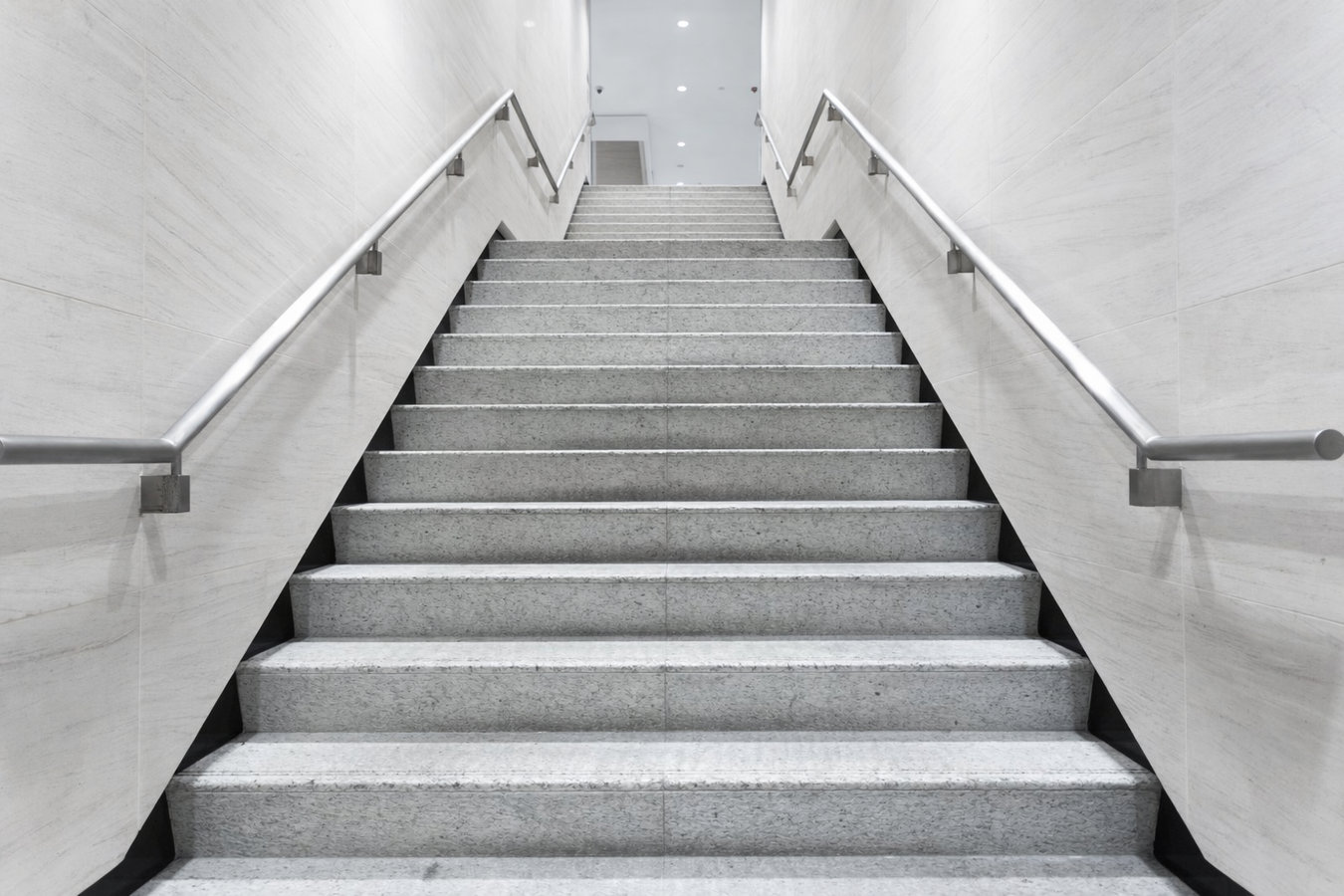
Steps that crack, sink, or become slippery in the rain are a safety hazard. We build reinforced concrete steps in Cocoa anchored in stable footings that hold through Florida's soil, heat, and storm season.
Concrete steps construction in Cocoa means forming, pouring, and finishing a reinforced concrete staircase anchored to a stable footing dug below the sandy surface - a standard three- to five-step front entry is typically formed and poured in a single day, with 24 to 48 hours before light foot traffic and about a week before the concrete reaches full strength.
Many Cocoa homeowners reach out after noticing their existing steps have cracked, tilted away from the house, or become dangerously slippery in the afternoon rain. A significant portion of Cocoa's residential neighborhoods were built in the 1950s through 1970s, and original concrete steps from that era have often been patched repeatedly rather than properly replaced. If you are also looking to improve the path from your steps to the street, our concrete sidewalk building service pairs naturally with a new set of steps.
We handle Brevard County building permits for attached steps, so the work is inspected and your property records stay current. One business day response on all inquiries.
Cracks wider than a hairline - especially ones that go from edge to edge or follow the corners of a step - mean the structural integrity of the concrete is compromised. In Cocoa's climate, those cracks let rainwater in, and water inside concrete in Florida's heat-and-humidity cycle widens the damage faster than you would expect.
Stand on your top step and push gently toward the house. If the steps rock, shift, or you can see a gap opening between the steps and the entry structure, the base underneath has moved. This is common in Cocoa's sandy soil, where the ground beneath a poorly anchored footing gradually shifts over time.
Florida's afternoon rain showers are near-daily from June through September. Steps that have worn smooth over the years become genuinely dangerous when wet. If you find yourself slowing down or holding the railing every time it rains, the surface texture has worn past the point where it provides safe grip.
If your front door now sits higher than the top step - meaning there is a bigger step up from the landing into the house than there used to be - the steps have sunk. Soil settlement under the footing is the usual cause, and it is more common in Cocoa's older neighborhoods where original footings were shallow.
Every set of steps we build starts with the footing. We dig down to firm ground before forming anything, because the sandy coastal soil under most Cocoa properties shifts more than firmer soil found further inland. That depth is what keeps the steps level and stable after the first rainy season and the next five after that. Internal steel reinforcement - rebar - runs through every pour we do for attached entry steps, giving the concrete something to hold onto as temperatures cycle. The result is a staircase that moves with the structure rather than pulling away from it.
For finishes, we recommend a broom texture as the default because it provides reliable grip in wet conditions - and in Cocoa, wet conditions happen most afternoons in summer. For homeowners who want something more finished-looking, we also pour slab foundations and can integrate a new set of steps into a broader entry project that includes a landing slab or a concrete sidewalk running to the driveway or street. All attached step projects include permit handling and a final county inspection.
Best for homeowners replacing old, cracked, or sunken steps attached to their home's entry structure.
Best for homeowners who need steps to a raised porch, deck, or outbuilding not attached to the main foundation.
Best for homeowners who want maximum grip in wet weather at a straightforward price.
Best for homeowners who want a more polished look to match a remodeled entry or decorative patio.
Best for homeowners with old steps that need to come out entirely before a new set can be poured.
A significant portion of Cocoa's housing stock was built in the 1950s through 1970s - particularly in neighborhoods around Cocoa Village and the older blocks near U.S. 1. Steps from that era are often original concrete that has been patched over the years rather than properly replaced. When demolition begins on those older homes, it is not unusual to find corroded internal steel, a crumbled base, or a footing that was never deep enough for the sandy soil that covers most of the Space Coast. We walk homeowners through what we find before going further, rather than presenting a larger bill at the end. Residents in Rockledge and Cape Canaveral have the same mix of older housing and sandy soil conditions, and we bring the same approach to every project across the region.
Timing also matters in Cocoa. Late winter through early spring - roughly February through April - is the best window for a steps pour. Temperatures are cooler, humidity is lower, and you are ahead of Brevard County's active hurricane season that runs June through November. Summer pours are possible, but they require pouring early in the morning and using concrete mixes designed to handle Florida heat. The Portland Cement Association provides guidance on hot-weather concrete placement that informs how we schedule and handle summer work in this climate. We also verify all permits through Brevard County Building and Development before any work begins, so your job is on record from day one.
We reply within one business day. Most contractors won't give a firm price for steps over the phone because the size, condition of the existing structure, and site access all affect the cost. We schedule a free on-site visit and follow up with a written estimate within a day or two.
If your new steps will be attached to the house - which is the case for most front entry staircases - we apply for a Brevard County building permit before any work begins. This step usually takes a few business days to a couple of weeks depending on the county's workload. You do not need to do anything during this step.
On the day before or morning of the pour, we remove your existing steps if they are being replaced, haul away the old concrete, dig down to prepare a stable base, and build the forms that will shape the new steps. Expect jackhammering if old concrete is being broken up - this is the noisiest part of the job.
The pour typically takes a few hours. We finish the surface with a broom texture for grip, then the concrete cures for 24 to 48 hours before light foot traffic is safe. After a full week, the county inspector checks the work as part of the permit process. We do a final walkthrough with you covering the finish, control joints, and care instructions.
We will come out, look at what you have, and give you a written price - no obligation, no sales pitch.
(321) 386-0373Most step failures in Cocoa come from a footing that was never deep enough for the sandy coastal soil. We dig down to stable ground before forming anything, because steps set on compacted sand eventually shift. That depth is the difference between steps that stay level for decades and ones that tilt after a few rainy seasons.
Cocoa's 1950s-to-1970s housing stock regularly surprises contractors at demolition time - corroded steel, crumbling bases, footings that were never adequate. We stop and walk you through what we find before proceeding, so there are no unexpected charges on the day of the job.
Attached steps in Brevard County require a permit and inspection. We handle the paperwork and schedule the county inspector, so your job is on the books and your property records are clean. That matters when you sell, when you file an insurance claim, and whenever a buyer's inspector reviews the property.
Cocoa gets afternoon rain almost daily in summer. We apply a broom finish on every set of steps we build - not as an optional upgrade, but as the baseline. A smooth step in this climate is a hazard. We also discuss sealer options that add extra traction for families with older adults or young children.
The combination of local experience, proper footing depth, and permit compliance is what separates a set of steps that lasts from one that needs attention in a few years. You can verify any Florida contractor's license status through the Florida Department of Business and Professional Regulation before signing anything.
Pair new entry steps with a properly poured landing slab or full foundation slab for a complete, stable entry structure.
Learn MoreConnect your new steps to the driveway or street with a concrete sidewalk built for Cocoa's soil and drainage conditions.
Learn MoreSpring is the best time to pour in Brevard County - before the heat and storm season arrive. Reach out now and we will get your project on the calendar.