
Loading...
Serving Cocoa, FL and surrounding areas. (321) 386-0373
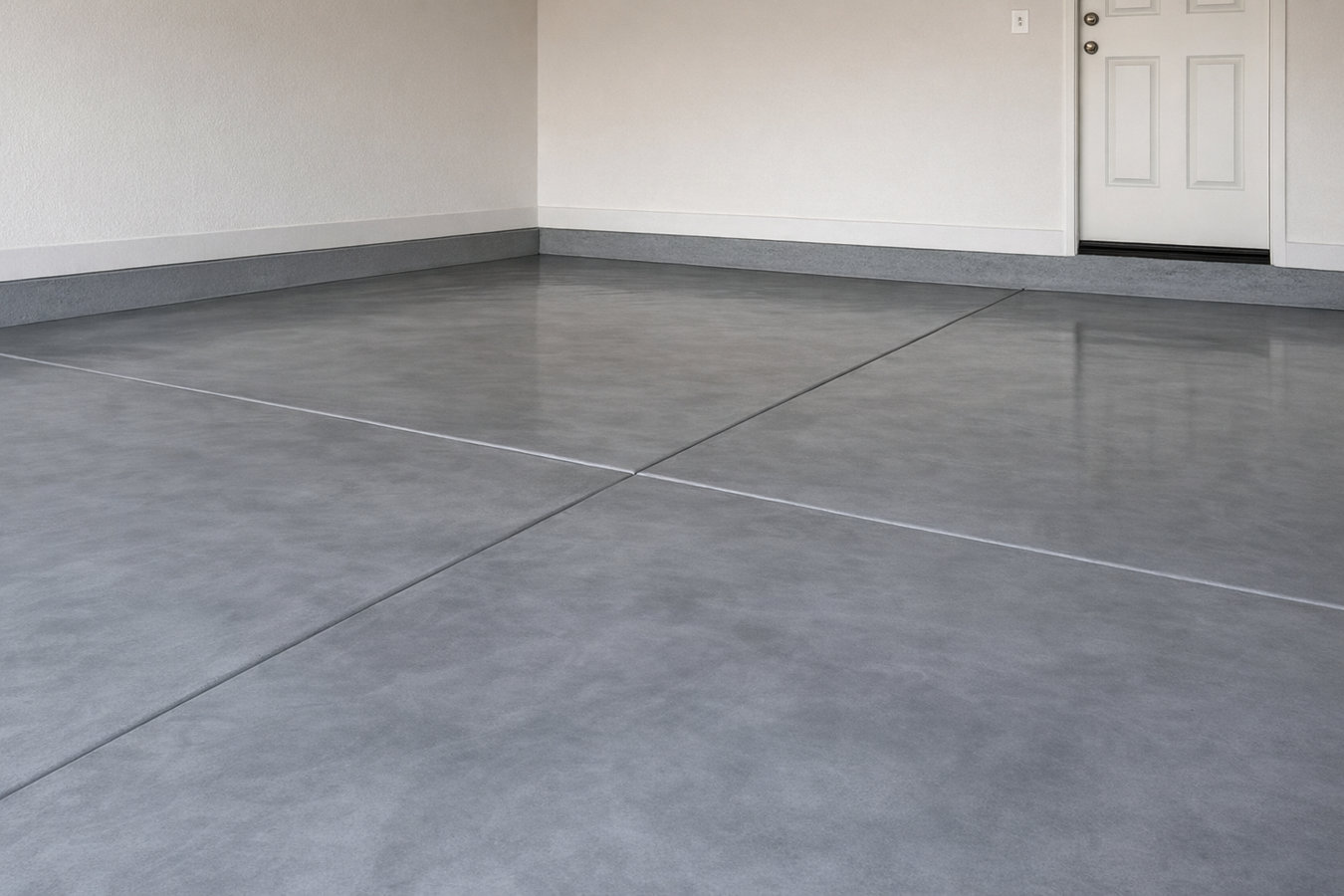
Cracked, hollow, or damp concrete floors are a sign the original pour was rushed. We do the base prep and moisture work that Cocoa homes actually need - so your new floor stays level and dry for decades.
Concrete floor installation in Cocoa starts with properly preparing the ground beneath the slab - compacting the soil, adding gravel if needed, and laying reinforcement mesh - then pouring, spreading, and finishing the surface before it hardens. Most residential jobs wrap up in one to two days on-site, with curing time afterward before heavy use.
If your current floor is cracking, feeling hollow underfoot, or showing damp spots that never fully dry, the problem usually traces back to inadequate base prep or a missing moisture barrier during the original pour. Cocoa's sandy soil and Florida's humidity make both of those steps critical. Whether you are replacing a failing garage slab, finishing a conversion, or pouring a new addition, getting the base right the first time is the difference between a floor that lasts 40 years and one that starts causing problems within five. Many homeowners in the same position also consider garage floor concrete when they are upgrading their space.
A finished concrete floor does not have to be plain gray. Broom finishes add grip for garages, smooth trowel finishes work well for interior spaces, and colored or textured options are available where the surface will be visible. We discuss the right finish for your use case before any work begins.
If you have patched cracks before and they keep reappearing - or new cracks are forming nearby - the slab itself is failing. In Cocoa's sandy soil, ground movement beneath the slab is a common cause of this pattern. Patching over and over is a short-term fix; at some point a full replacement is the more cost-effective choice.
Walk slowly across your floor and listen for a dull thud or feel for a slight give beneath your feet. This can mean the soil underneath has shifted or washed away - something that happens in Cocoa's sandy, high-water-table environment. A floor with voids beneath it is a safety concern and will only get worse over time.
If your garage or interior concrete floor feels damp, shows white powdery staining, or smells musty even when it has not rained recently, moisture is moving up through the slab. This is a sign the floor lacks a proper moisture barrier or the existing one has failed - a problem Florida's humidity makes worse every year.
Spalling is when the top layer of concrete flakes or chips away, leaving a rough, pitted surface. In Cocoa's climate, this is often caused by moisture cycling through the slab over many years. Once spalling covers a significant portion of the floor, resurfacing alone may not hold - a full new pour gives you a clean, durable surface.
We install concrete floors for garages, interior conversions, room additions, and outdoor covered spaces. Every pour starts with proper base compaction and gravel where the soil requires it, followed by reinforcement mesh, the pour itself, and the finish you choose. Interior slabs include a moisture barrier under the concrete as standard - in Florida's climate, skipping that step is the shortcut that causes the most problems down the road. If your project also involves an adjacent pool area, we can coordinate with our concrete pool decks work so the surfaces meet cleanly at the transition.
For projects that are part of a new structure or addition, Brevard County requires a building permit, and we handle that application on your behalf. Older Cocoa homes from the 1950s through 1980s sometimes have existing slabs that are thinner than current standards or were poured without reinforcement - we assess those honestly before quoting so there are no mid-project surprises. If you are also converting or upgrading a garage space, our garage floor concrete service covers that specific application with the right thickness and finish for vehicle traffic.
Poured at five to six inches thick with broom finish for grip and vehicle load capacity.
Four-inch slab with moisture barrier and smooth or trowel finish, ready for tile, epoxy, or bare concrete.
For failing floors where patching is no longer cost-effective - base prep included with every replacement.
Permitted pours for new structures and additions in Brevard County, from permit application through inspection.
Cocoa sits on the Atlantic Coastal Ridge, where the soil is largely sandy and can shift or settle over time. If the ground beneath your floor is not properly compacted before the pour, the slab can crack or sink unevenly within a few years - a pattern that shows up repeatedly in Cocoa homes from the 1950s through 1980s, when base preparation standards were different. Brevard County's heat and humidity also affect the pour itself: concrete can dry too quickly on the surface in summer before it has fully cured underneath, leading to surface cracking and a weaker finished product. Homeowners in Rockledge share similar soil conditions, and the base prep approach we use across both communities reflects that reality.
Florida's rainy season - June through September - creates real scheduling challenges for concrete work. Rain on a freshly poured floor can wash away the surface layer and weaken the finish. Experienced local contractors plan around the forecast and schedule pours for early morning in summer to beat the heat. Residents in Melbourne face the same seasonal timing pressures, and we build that into every project schedule across Brevard County. Getting the pour timing right is not just about convenience - it directly affects how long your floor lasts.
We ask about the size, current use, and what you want to end up with - then schedule a site visit before giving you a firm price. The condition of the existing surface and soil can change the scope, so we assess in person. You will hear back within one business day.
If your project requires a Brevard County permit, we submit that application on your behalf. Permit approval typically takes a few business days to a couple of weeks - we factor that into the timeline so nothing catches you off guard.
The crew arrives early - often at first light in summer to beat the heat - and begins by compacting the soil, laying gravel if needed, and placing reinforcement mesh. The concrete is then poured, spread, and finished to the agreed surface texture. Most residential floors pour in a single day.
You can walk on the floor within 24 to 48 hours, but we give you specific guidance on vehicle and heavy-use timelines. If a permit was pulled, the county inspector signs off before the project closes. Then we walk through the finished work with you and explain any sealing or care instructions.
We visit the space in person, assess the soil and existing slab, and give you a written estimate with no pressure - so you know exactly what is included before you decide.
(321) 386-0373Many Cocoa homes have older slabs that look fine on the surface but have real problems underneath - thin concrete, no reinforcement, or moisture damage from decades of Florida weather. We tell you what we find before we give you a price, so you are not hit with unexpected costs halfway through the job.
Concrete floors in Florida's climate can sweat, stain, and grow mold under flooring materials if they are not installed with moisture in mind. We include a proper moisture barrier under every interior slab we pour. It is a step that some crews skip to save time - and one that costs homeowners far more later when they want to tile or coat the floor.
We take extra care with subgrade preparation because Cocoa's sandy soil is less stable than the clay or compacted fill you find in other parts of the state. A floor poured on a properly compacted base stays level. One poured on rushed prep starts cracking and shifting within a few years. The base work is what you are really paying for.
Pulling a building permit in Brevard County involves paperwork, timing, and knowing what the inspector will look for. We handle the application, coordinate the inspection, and make sure your project is fully documented. You can also confirm our Florida contractor license status in minutes at myfloridalicense.com.
Every floor we pour in Cocoa starts with an honest assessment and ends with a permitted, inspected slab. That combination - proper base prep, moisture protection, and documented work - is what gives you a floor that holds up through decades of Florida weather. When comparing quotes, any licensed concrete slab contractor should be able to show you their permit history and a current state license. For more on concrete installation standards, the American Concrete Institute publishes guidance on curing, moisture barriers, and control joints.
Brevard County permit requirements are outlined at Brevard County Building Services. Florida Building Code requirements for concrete slabs are published at floridabuilding.org.
Slip-resistant concrete surfaces around pools - finished and permitted for Cocoa's outdoor living spaces.
Learn MoreThicker pours designed for vehicle traffic, with broom or epoxy-ready finishes for Cocoa garages.
Learn MoreOur schedule fills fast in the fall and winter - the best time for concrete work in Brevard County. Reach out now to hold your date.