
Loading...
Serving Cocoa, FL and surrounding areas. (321) 386-0373
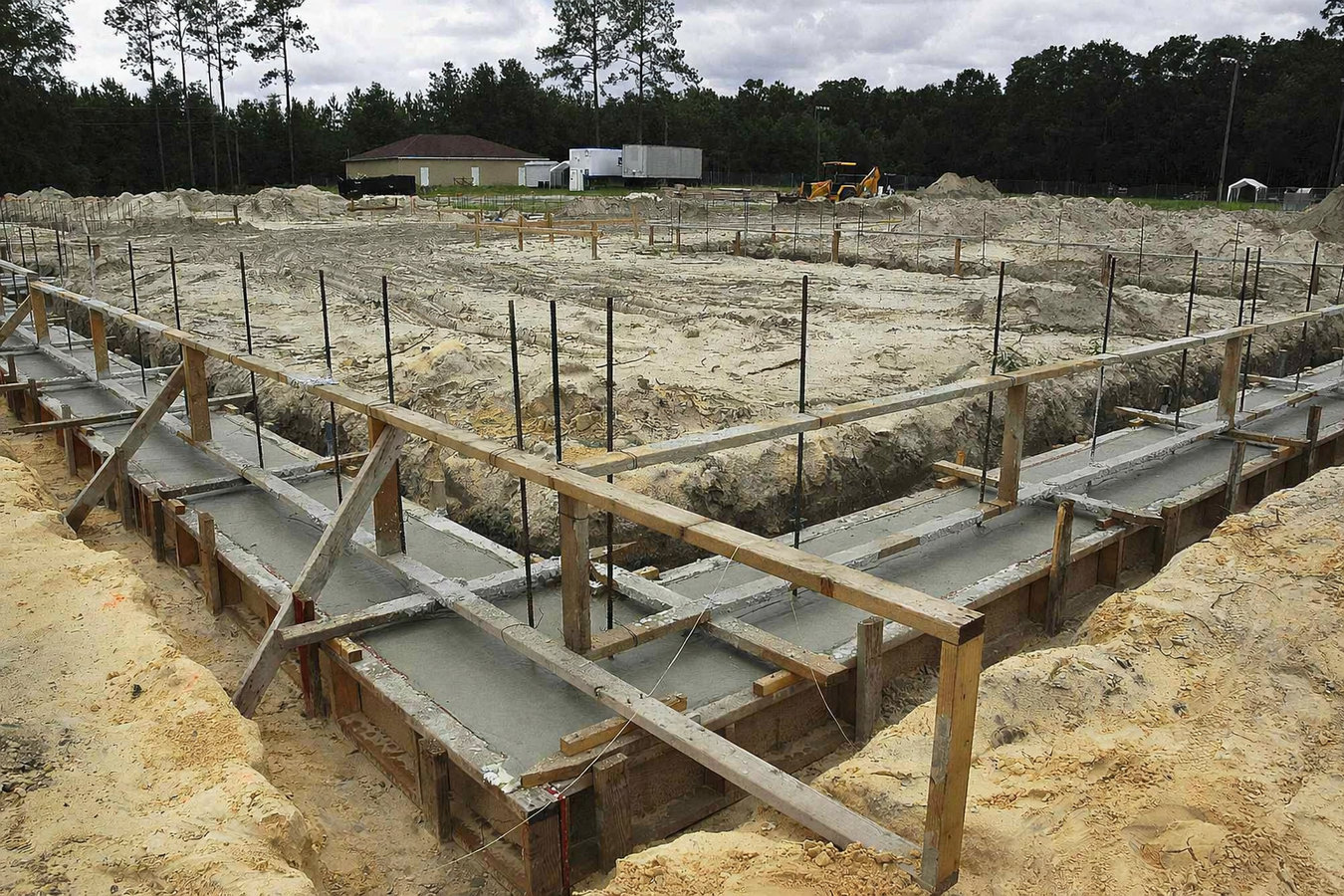
Porches, additions, and outbuildings need a footing that reaches stable ground. In Cocoa's sandy soil, that means doing the prep work right - no shortcuts before the pour.
Porches, additions, and outbuildings need a footing that reaches stable ground. In Cocoa's sandy soil, that means doing the prep work right - no shortcuts before the pour.
Concrete footings in Cocoa are the below-ground bases that carry the weight of porches, room additions, screened enclosures, and outbuildings - they are dug to stable soil, reinforced with steel rebar, poured with concrete, and inspected by Brevard County before they are buried, with most residential footing jobs taking one to two days of active work followed by a seven-day curing period.
If you are planning to add a structure to your Cocoa home - even something as straightforward as a covered patio or a fence gate - you almost certainly need new footings before framing can begin. In Brevard County, the sandy and sometimes organic soil near the Indian River Lagoon means footings have to reach genuinely stable ground, not just the depth that looks deep enough. A footing that sits in loose soil will settle unevenly over time, causing the structure above it to crack, lean, or pull away from the main house.
For larger structural projects, our foundation installation service covers full perimeter and interior foundation work when a footing alone is not sufficient for the scope of the build.
Diagonal cracks running through porch or addition walls, or a visible gap opening between a structure and the main house, often mean the footing underneath has shifted or failed. In Cocoa, this kind of movement is frequently tied to sandy soil settling unevenly in older neighborhoods near the river. A failing footing becomes more expensive to address the longer it is left alone.
When a footing settles unevenly, the frame above it shifts slightly - and the first thing you will usually notice is a door or window that no longer closes the way it used to. This is especially common in Cocoa homes with older screened rooms or carport conversions built on minimal or deteriorated footings. If the sticking is in a newer addition rather than the original structure, the footing is worth having assessed.
Cocoa's rainy season brings intense afternoon storms. If water pools under a porch or addition after storms and does not drain away, it can erode the soil around and beneath the footing over time. If you see this pattern repeating, it is worth having a contractor assess whether the footing is still on stable ground or whether soil has been washing away beneath it.
If a home inspection, renovation permit, or contractor visit has flagged that an existing footing is undersized or does not meet current standards, that is a clear signal. In Cocoa, this comes up frequently with older homes where additions were built without permits decades ago - and it becomes an issue when you try to sell, refinance, or build on further.
Every footing project starts with a proper on-site assessment - we look at the soil conditions, determine the depth needed to reach stable ground, and size the footing for what you are building on top. We handle the full Brevard County permit application and coordinate the required pre-pour inspection, so the county inspector reviews the depth and reinforcement while everything is still visible before we pour. Steel rebar is placed inside every form before the concrete goes in. We call 811 to have underground utilities marked before any digging begins - this is required by Florida law and is something we handle automatically. Once the pour is done, we walk you through what was built and give you a clear timeline for when framing can begin. For structures that will also need a finished paved surface nearby, our foundation raising service covers corrective work on existing foundations that have settled or shifted.
In lower-lying parts of Cocoa where the water table sits close to the surface, we plan for groundwater management before we begin - so hitting water during excavation does not become an unexpected cost or a reason your project sits half-finished. Many Cocoa homes from the 1950s through 1970s have older footings that were not documented, and if your project is adjacent to an older structure, we check for buried utilities, old septic remnants, and existing footings before breaking ground.
Suits homeowners adding a screened enclosure, covered patio, or front porch to an existing home - sized and positioned to match the structure footprint and meet Brevard County requirements.
Suits homeowners adding square footage to an existing structure - deeper and wider to carry the load of framing, roofing, and interior finishes on Cocoa's variable soil.
Suits homeowners adding a workshop, detached garage, substantial fence, or gate - drilled or dug to the depth needed for the structure height and wind load requirements in hurricane-zone Brevard County.
Suits homeowners with an older structure whose original footings have settled, cracked, or were flagged as non-compliant - installed to current Brevard County standards alongside or in place of the original work.
Cocoa sits along the Indian River Lagoon, and much of the city's soil is sandy, loose, or mixed with organic material near the surface - the kind of ground that compresses under a load if a footing is not dug deep enough to reach firm, undisturbed soil. A contractor who eyeballs the depth rather than assessing actual soil conditions is setting the structure above up for movement in five to ten years. Parts of the city, especially in lower-lying neighborhoods near the river and wetland areas, also have a water table that sits close to the surface. When contractors dig for footings in these areas, they sometimes hit groundwater before reaching the required depth. Contractors unfamiliar with the local area often treat this as a surprise problem; we treat it as something to plan for from the estimate stage. Properties in areas like Cocoa Beach and Merritt Island face similar soil variability and water table conditions, and we bring the same preparation to every project across the Space Coast.
Cocoa also has a significant number of homes built during the Space Coast boom years - roughly 1950 through 1985 - and many homeowners are adding screened enclosures, covered patios, or room additions to these older properties. Footing work near older structures can be complicated by original construction that was not well-documented, buried utilities, old septic systems, or existing footings that shifted long ago. Brevard County's hurricane risk zone adds another layer: footing depth and size for any new structure has to account for the wind load requirements that apply in this area, not just the weight of the structure above. The Florida Building Commission sets the structural standards that apply here, and Brevard County inspectors enforce them before the concrete is poured.
Tell us what you are building and roughly where on your property. We reply within one business day and schedule a free on-site visit rather than quoting over the phone - footing work depends too much on your specific soil and existing structures to price without seeing both.
During the site visit, we assess soil conditions, determine the footing depth and size your project requires, and handle the Brevard County permit application on your behalf. You receive an itemized written quote before we proceed - no verbal agreements, no vague line items.
On work day, we call 811 to have underground utilities marked, excavate to the required depth, and set the forms and rebar. The Brevard County inspector visits at this stage - before anything is poured - to confirm the depth and reinforcement are correct while everything is still visible.
Once the inspection is approved, we pour the concrete, work out air pockets, and level the surface. In Cocoa's warm climate, most residential footings reach working strength in about seven days. We give you a specific date when framing can begin and schedule any final inspection required to close out the permit cleanly.
Free on-site estimates. Itemized written quotes. Every footing fully permitted and inspected by Brevard County before the pour.
(321) 386-0373We assess soil conditions at your specific site before quoting depth or size - because Cocoa's soil varies between neighborhoods, and a footing dug to the minimum depth in the wrong spot will settle. This is not an extra step for us; it is how we price the job accurately from the start so neither of us is surprised partway through.
In lower-lying neighborhoods near the Indian River Lagoon, hitting groundwater during excavation is more common than most homeowners realize. Because we have worked throughout this area, we know which neighborhoods are more likely to have this issue and we plan for it upfront - rather than treating it as an unexpected cost that appears on your final invoice. The Brevard County Building Services office is a resource we work with on every permitted project.
Brevard County requires an inspector to approve the footing before any concrete is poured - meaning the depth and rebar are checked by an independent set of eyes while they are still visible. We coordinate this inspection and make sure it is scheduled so your project does not sit waiting for a county slot longer than it has to. You never need to deal with the permit office yourself.
Unpermitted footings and additions are one of the most common deal-breakers in Brevard County real estate transactions. We pull every required permit and close it out cleanly before we consider a project done. What this means practically is that when you sell your home or refinance, there is nothing buried in your property record that creates problems. You can verify any contractor's Florida license status at the Florida Department of Business and Professional Regulation.
Footing work is permanent by nature - once it is poured and buried, what is down there is what you live with for the life of the structure. That is why we spend more time on the assessment and permitting phases than some contractors do, and why we walk you through what was built before we leave the site.
Corrective work for existing foundations or footings that have settled, shifted, or are no longer level.
Learn MoreFull perimeter and interior foundation systems for new structures that need more than a footing alone.
Learn MoreBrevard County permit approval takes one to three weeks - reach out now so we can schedule your estimate and get the application in before June.